Blog & News

A few years ago, the first questions at a rental viewing were about the rent, the parking and how far the flat was from work. Today, more and more tenants ask something else: “How much was the electricity bill last August?”It’s a fair question. In a Cypriot summer, air conditioning runs for hours every day, and a poorly insulated apartment can turn a reasonable rent into an expensive home. Tenants have noticed. For landlords, energy efficiency is no longer a nice extra. It increasingly affects how quickly a property lets, who rents it and how long they stay.Why tenants care more than beforeThe rent is only part of the cost. Tenants now think in terms of total monthly outgoings. Two flats at the same rent can cost very different amounts to live in once electricity is added.More people work from home. Someone at home all day needs the space cool in summer and warm in winter, not just in the evenings. That makes running costs far more visible.Comfort matters. A west-facing bedroom that becomes unbearable by late afternoon, or single-glazed windows that let in noise and heat, affect daily life as much as the budget.Expectations have risen. Tenants who have lived in newer buildings with good insulation and efficient air conditioning don’t want to go back.What tenants noticeMost tenants won’t read a technical report, but they pay attention to the things they can see and feel:The energy performance certificate. It shows the property’s energy class. In Cyprus, a certificate is generally required when a property is let, so tenants increasingly ask to see it.Windows. Double glazing and good seals keep heat and noise out.Air-conditioning units. Newer inverter units cost less to run than old ones and are quieter.Water heating. A working solar water heater keeps hot water costs low for much of the year.Shading. External shutters, awnings and covered verandas make a real difference in summer.Lighting. LED lighting throughout is a small detail that tenants appreciate.What it means for landlordsAn energy-efficient property tends to:Let faster, because it stands out among similar listings.Attract better tenants, often professionals and families who plan to stay longer.Reduce turnover, since tenants are less likely to leave over high bills or discomfort.Hold its value, as buyers increasingly look at energy performance too.A less efficient property can still let, but it may take longer, and the landlord may find themselves negotiating on rent to make up for higher running costs.Upgrades worth consideringYou don’t have to rebuild a property to improve it. Some changes cost relatively little and make a noticeable difference:Replace old air-conditioning units with efficient inverter models.Service the solar water heater, or install one if there isn’t one.Switch to LED lighting.Add or repair external shutters and seals around doors and windows.Larger investments bring bigger gains:Roof insulation, which matters most on top-floor apartments and houses.Double-glazed windows.Wall insulation.Solar panels, where the building allows them.Government grant schemes for energy upgrades have been available at different times. Check what is open now before you plan any works.Telling tenants about itIf you’ve invested in energy efficiency, make sure it shows. Mention the energy class, new air conditioning, double glazing or solar panels in the listing description. If you can, share approximate monthly bills. Tenants value clear information, and it helps your property stand out from similar ones nearby.A small change in thinkingEnergy efficiency used to be something tenants accepted or put up with. Today it’s part of how they choose. Landlords who see it as part of the property’s value, not just a cost, are usually the ones who let more easily and keep good tenants longer.Thinking about letting your property, or upgrading it first? G&P Lazarou Estate Agents can advise on what tenants in your area are looking for and help you find the right one. Call +357 22024949, email info@gplazarou.com or visit gplazarou.com.Discover available houses for sale in CyprusView residential plots for sale in CyprusExplore modern apartments for sale in CyprusBrowse commercial properties for sale in CyprusDiscover available houses for rent in CyprusExplore modern apartments for rent in CyprusView residential plots for rent in CyprusBrowse commercial properties for rent in Cyprus
Read More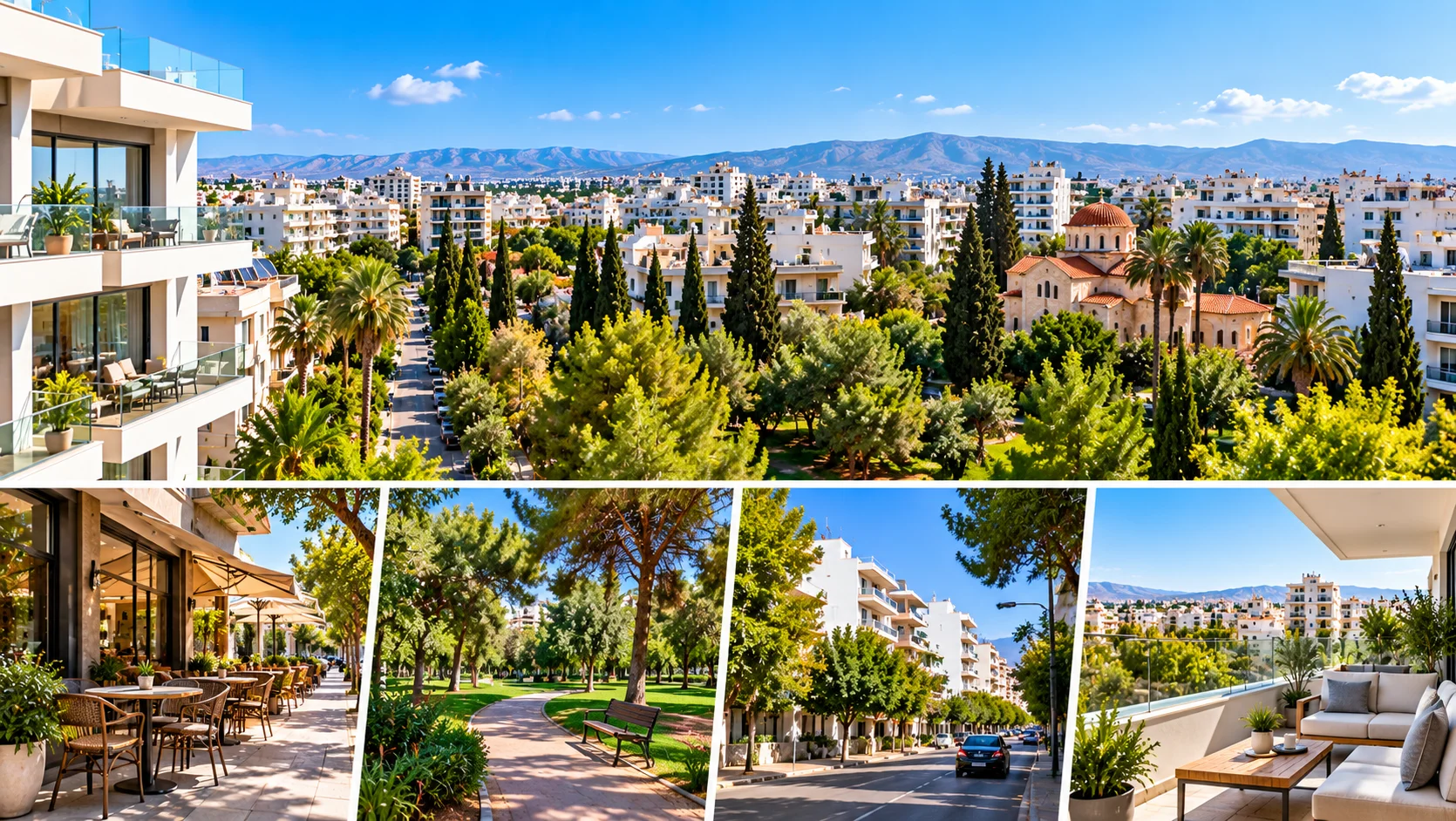
Ask long-time Nicosia residents about Dasoupolis and you’ll often hear the same words: quiet, central, settled. The name means “forest town”, and the greenery is part of the neighbourhood’s character, with tree-lined streets and gardens that have had decades to grow. It’s the kind of area where families have lived for two or three generations, yet the city centre is only a short drive away.For buyers and tenants who want to be close to everything without living in the middle of it, Dasoupolis is worth a closer look.Where it is and what it’s likeDasoupolis is part of the Municipality of Strovolos, one of the largest residential areas of Nicosia. Its position gives residents easy access to central Nicosia, to the main roads out of the city and to the shops, schools and services that Strovolos offers.Most of the neighbourhood is residential. Detached and semi-detached family houses, many built in the 1970s and 1980s, sit alongside low-rise apartment buildings and a growing number of newer developments. Traffic is generally lighter than on the busy commercial avenues nearby, which is one of the reasons families like it.Who it suitsFamilies looking for a settled area with space, gardens and schools within reach.Professionals who work in central Nicosia and want a short commute.Downsizers who want to stay in a familiar, central part of the city.Investors interested in steady long-term rental demand rather than short-term letting.The property on offerBuyers in Dasoupolis usually find three main types of property.Older family houses. Many come on generous plots and are well built, but may need updating: new electrics and plumbing, insulation, a modern kitchen and bathrooms. With these homes, the plot often matters as much as the house. If the house uses only part of the building density allowed on the plot, the unused area may add value, whether for an extension or future redevelopment.Apartments in established buildings. These tend to offer more space for the money than new builds. Check the condition of the building, the lift, parking and the common expenses before committing.New developments. Some older houses have made way for modern apartment blocks, often through antiparochi agreements between landowners and developers. New apartments bring better energy performance and covered parking, at a higher price per square metre.What the numbers say about StrovolosDasoupolis is part of the wider Strovolos area, and our analysis of the Nicosia market gives useful context. In 2025, the typical resale apartment in Strovolos sold for around €1,415 per weighted square metre, with prices up less than 2% since 2020. Typical house prices rose by around 7.5% over the same period. In other words, Strovolos has been one of the steadier, more affordable parts of Nicosia, which can be an opportunity for buyers who want a central location without paying a premium.These are figures for Strovolos as a whole. Prices within Dasoupolis can vary considerably by street, plot and condition.What to check before you buyPermits and title deeds. Older houses sometimes have extensions or enclosed verandas that were never approved. Your lawyer should confirm the title deed and permits.The plot’s planning details. Ask about the planning zone and building density, especially if you’re thinking of extending or redeveloping.Condition. A survey by a civil engineer can identify issues with the roof, damp or structure before you commit.What’s being built nearby. New apartment blocks can change the feel of a street, for better or worse.Parking. In older streets without driveways, on-street parking can be limited.Renting in DasoupolisThe area’s central location and family character support steady demand for long-term rentals. Houses with gardens attract families, while well-maintained apartments appeal to professionals and couples. Landlords who keep their properties in good order and price them realistically usually find reliable tenants.Is Dasoupolis right for you?If you value a calm, green neighbourhood close to the heart of Nicosia, and you’re happy with an established area rather than a brand-new development, Dasoupolis has a lot to offer. Visit at different times of day, walk the streets and see which part of the neighbourhood feels right.Our Nicosia office is in Strovolos, so the area is right on our doorstep. To find a home in Dasoupolis or find out what your property there is worth, call +357 22024949, email info@gplazarou.com or visit gplazarou.com.Modern 2-Bedroom Apartments for Sale in Dasoupoli, NicosiaRenovated Apartments for Rent in Dasoupoli, NicosiaSpacious Family Apartments for Rent in DasoupoliExplore Apartments for Sale in CyprusDiscover Properties for Sale in Cyprus
Read More
Most rental viewings last fifteen minutes. In that time you’re expected to decide whether a place is right for the next year or more of your life, often while another interested tenant is waiting outside. It’s no wonder people sign first and discover the problems later: the air conditioning in the bedroom doesn’t work, the common expenses are higher than expected, or the landlord takes weeks to fix anything.The way to avoid that is simple. Go in with a list of questions and don’t feel awkward asking them. A good landlord or agent will be glad you did.About the rent and the moneyWhat exactly does the rent include? Ask whether common expenses, water, internet or parking are part of the price or extra.How much are the common expenses, and who pays them? In many buildings they’re paid by the tenant. Ask for a recent figure, not an estimate.What is the deposit, and when and how is it returned? Agree in writing what can be deducted and in what timeframe it comes back.How is rent paid, and on what date? A bank transfer gives you a clear record.Can the rent increase during the contract? If so, by how much and when.About bills and utilitiesWill the electricity and water accounts be transferred to my name? Find out who arranges it and whether there are any outstanding bills on the property.What are typical monthly bills? Ask about summer electricity in particular. Air conditioning in July and August can make a big difference.Is there internet already installed? Check which providers are available in the building, especially if you work from home.How is water heated? Solar water heaters are common in Cyprus, but check whether there is an electric backup for winter.About the property itselfLook properly, not politely. Open cupboards, run the taps, flush the toilet and turn on the air conditioning in every room.Do all the appliances and air-conditioning units work? Ask when they were last serviced.Are there any signs of damp or leaks? Check corners, ceilings, behind furniture and under sinks.Is it furnished, and what stays? Ask for an inventory list with photos before you move in.Is there covered or allocated parking? And is it included in the rent?Is there storage? A storage room in the building can make a small flat far more liveable.About repairs and the landlordWho do I contact if something breaks? The landlord, an agent or a management company?Who pays for which repairs? Agree on the difference between normal wear and tear and damage.How quickly are repairs usually handled? Asking how a recent problem was dealt with can tell you a lot.Can I make small changes, such as hanging pictures, painting a room or installing a washing machine?Are pets allowed? Even if you don’t have one now, ask if you might in the future.About the contractHow long is the contract, and what are the renewal terms?Can I leave early, and with how much notice? Look for a clear break clause.What happens if the landlord sells the property? Ask how your tenancy is protected.Will the contract be in writing and signed by both sides? Never rely on a verbal agreement.If anything in the contract isn’t clear, ask for it in writing or have a lawyer look at it before you sign. It’s much easier to agree terms now than to argue about them later.About the building and the areaWho lives in the building? Mostly families, students or professionals?How is the building managed? Is there an active management committee, and are common areas kept clean?What’s the area like at night and at weekends? Visit again at a different time if you can.How far is it to work, schools, shops and public transport? Test the journey at rush hour, not on a quiet Sunday.Before you say yesTake photos during the viewing so you can compare properties later. Write down the answers you get. If you decide to go ahead, make sure what was promised during the viewing appears in the contract, whether it’s a new mattress, a repaired air-conditioning unit or parking included in the rent.Looking for a rental in Nicosia, Larnaca or Limassol? G&P Lazarou Estate Agents can arrange viewings, answer your questions and guide you through the contract. Call +357 22024949, email info@gplazarou.com or see our properties for rent at gplazarou.com.Discover available houses for sale in CyprusView residential plots for sale in CyprusExplore modern apartments for sale in CyprusBrowse commercial properties for sale in CyprusDiscover available houses for rent in CyprusExplore modern apartments for rent in CyprusView residential plots for rent in CyprusBrowse commercial properties for rent in Cyprus
Read More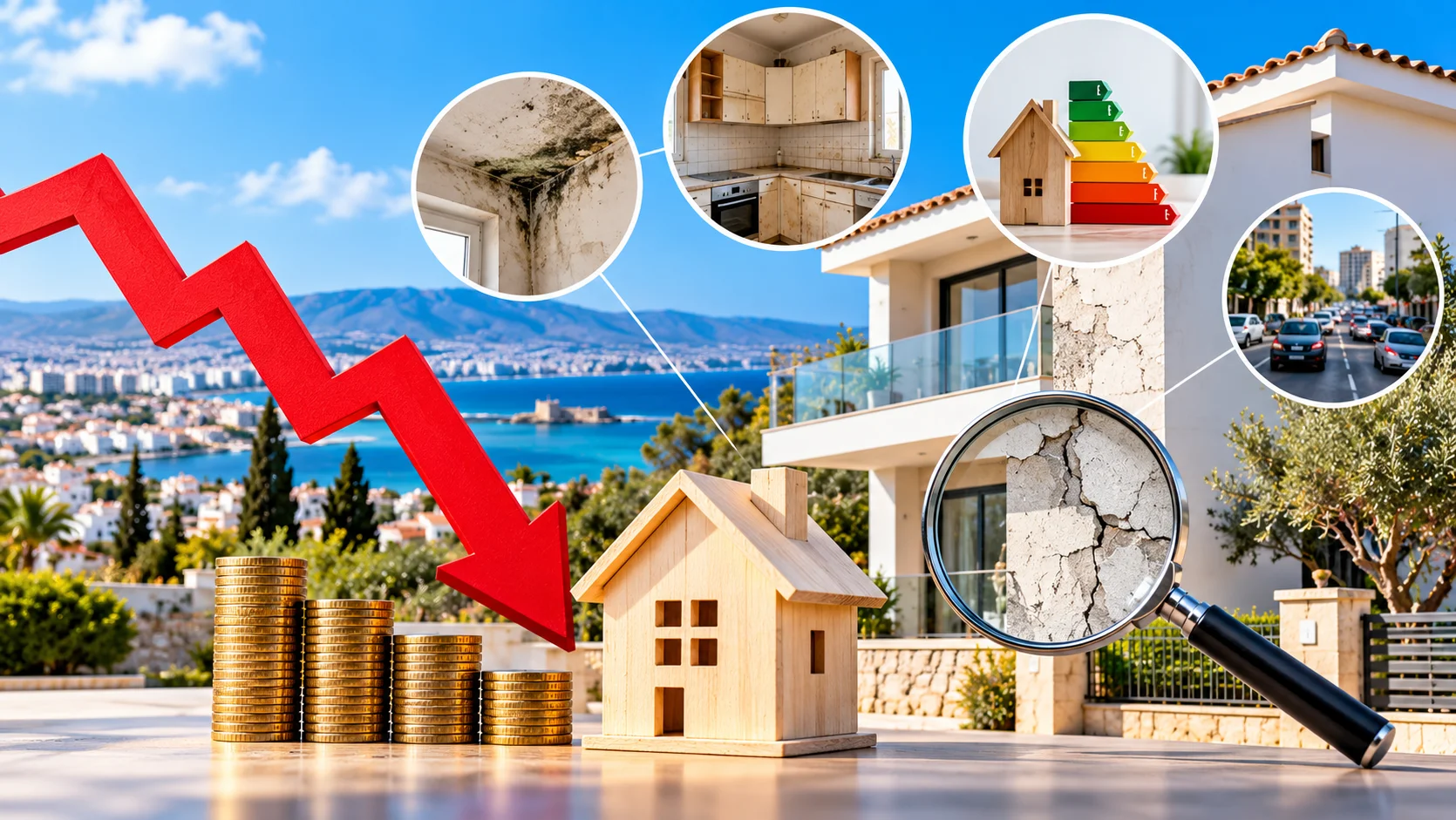
“The flat upstairs sold for more, and ours is bigger.” We hear some version of this from owners all the time. Usually the explanation isn’t the market or the buyer. It’s something about the property itself, often something the owner had stopped noticing years ago.Some things that pull value down are outside your control. Many are not. Knowing which is which helps you decide what to fix, what to disclose and what to expect when you sell, refinance or have your property valued.Problems with the paperworkIn Cyprus, documents often matter more than finishes. A buyer can live with an old kitchen. A bank is far less relaxed about legal uncertainty.No separate title deed, or a title still held in someone else’s name.Unpermitted additions, such as an enclosed veranda, an extra room on the roof or a converted storage space.Mortgages or charges still registered against the property.Shared ownership where not every co-owner agrees to sell.Each of these can narrow the pool of buyers, make a loan harder to obtain and slow down the sale. Some buyers will still go ahead, but they will expect a lower price for taking on the risk.Neglect and deferred maintenanceSmall problems left alone tend to become big ones. Damp patches, cracked render, leaking roofs, rusting railings and tired air-conditioning units all send the same message to a buyer: what else hasn’t been looked after?The cost in value is often greater than the cost of the repair, because buyers mentally add a margin for the unknown. Fixing obvious issues before you sell is usually money well spent.A building in poor shapeWith apartments, the building can drag down a well-kept flat. Value tends to suffer when there are:Dirty or damaged common areas.A lift that is often out of order.Unpaid common expenses or disputes within the management committee.Major works on the horizon, such as roof waterproofing or structural repairs, that every owner will have to fund.Buyers and valuers look at the whole building, not only the front door of your apartment.Layout and design that work against youSome homes have plenty of square metres but use them badly. Long corridors, rooms you have to walk through to reach other rooms, a bathroom off the kitchen, or a bedroom too small for a double bed all reduce how useful the space feels. Heavily personalised renovations, such as unusual colours, built-in furniture or a pool that takes over the whole garden, can also put buyers off.Location factors you can’t moveSome things can’t be changed, but they still affect value:A busy main road, heavy traffic or a noisy neighbour such as a bar or workshop.High-voltage power lines or a phone mast nearby.Poor orientation, with little natural light.Flood risk, or a plot prone to water collecting after rain.Changes in the neighbourhood matter too. A large commercial project, a new road or a run-down property next door can weigh on value over time.Energy performanceOlder homes with single glazing, no insulation and inefficient air conditioning cost more to run. As buyers become more aware of energy costs, a poor energy performance certificate is increasingly reflected in what they’re willing to pay.Tenancies and occupancyA property let to a long-standing tenant who is protected under the Rent Control Law, or one with an unclear or informal rental agreement, can be harder to sell and worth less than the same property with vacant possession. Buyers want to know when they can move in or set their own rent. The terms of any existing tenancy should always be checked with a lawyer.Pricing it wrongOverpricing can reduce what you finally achieve. A property that sits on the market for months starts to look like it has a problem, and buyers begin to negotiate harder. Pricing realistically from the start often leads to a better result than a series of price cuts later.What you can doNot every issue can be solved, but many can be reduced:Sort out title deed issues and permits before you go to market, where possible.Carry out obvious repairs and refresh worn areas.Get involved with your building’s management committee.Gather documents early: title deed, permits, plans, energy certificate and tenancy agreement.Be open with buyers about issues that can’t be fixed. Surprises late in a sale cost more than honesty at the start.Know where you standA professional valuation shows how these factors affect your property in particular, and which ones are worth addressing before you sell or refinance.G&P Lazarou Property Valuation provides property valuation services across Cyprus. Speak to the team at +357 22024949 or valuation@gplazarou.com.Discover available houses for sale in CyprusView residential plots for sale in CyprusExplore modern apartments for sale in CyprusBrowse commercial properties for sale in CyprusDiscover available houses for rent in CyprusExplore modern apartments for rent in CyprusView residential plots for rent in CyprusBrowse commercial properties for rent in Cyprus
Read More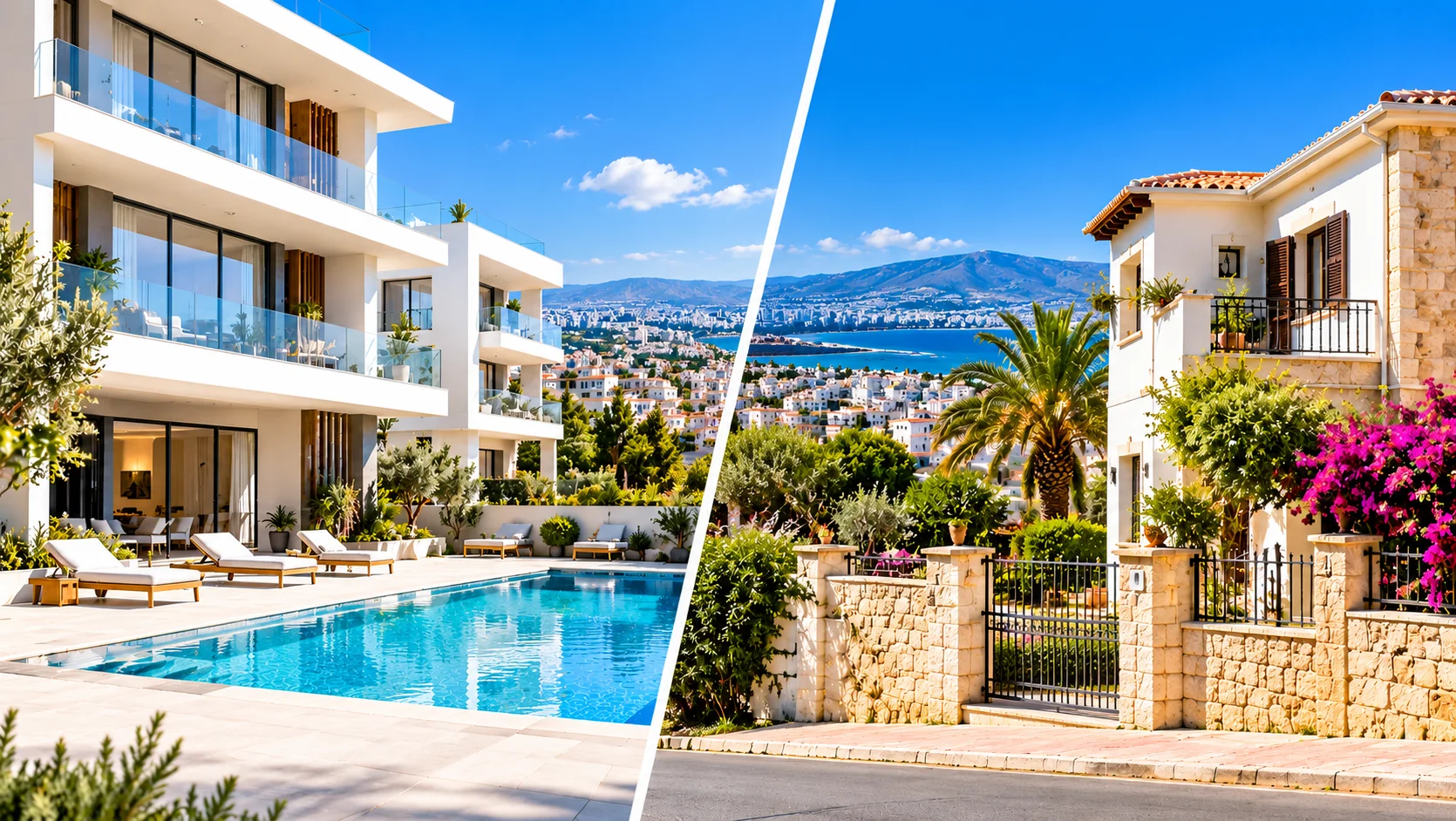
Walk around almost any Nicosia suburb today and you’ll see two property markets side by side. On one corner, a crane is finishing a five-storey block with glass balconies and a show flat. Across the road stands a solid 1990s building with mature trees, a generous veranda and a “For Sale” sign on the second floor.Buyers often feel pulled between the two. In our own Nicosia data, new builds made up 64% of apartment sales in 2025, and they sold at higher prices per square metre than resales in every area we looked at. The question isn’t which one is better. The question is which one suits you, and what you’re really paying for.What a new build offersThe appeal is easy to understand. Everything is new, from the wiring and plumbing to the kitchen and bathrooms. Modern buildings usually come with:Better insulation and energy performance, which shows up in your summer electricity bill.Covered parking, storage and a lift as standard.Contemporary layouts with open-plan living areas.A warranty period from the developer for defects.If you buy off-plan, you may also be able to choose finishes and, sometimes, secure a lower price than on completion.What to watch with a new buildNew comes at a price, and not only in the asking figure.VAT. New properties are subject to VAT. A reduced rate may apply if the home will be your main residence and you meet the conditions. A holiday home or investment property is usually charged at the standard rate. Your lawyer or accountant should confirm what applies to you before you sign.Delivery and delays. Off-plan projects can run late. Check the developer’s track record and what the contract says about completion dates and penalties.The developer’s financing. Find out whether the land or project is mortgaged to a bank and how your share will be released from it.Title deeds. Separate title deeds for new apartments can take time. Make sure the sale contract is deposited with the Department of Lands and Surveys to protect your position.A neighbourhood still forming. In a new development, you can’t always know who your neighbours will be or how the building will be managed.What a resale property offersAn older property lets you see exactly what you’re getting. You can walk the rooms, check the light at different times of day, speak to neighbours and see how the building has been looked after over the years.Resale homes are often:More spacious for the money, with larger rooms and verandas.In established areas with mature streets, shops and schools nearby.Available straight away, with no waiting for construction.Free of VAT, although transfer fees and other costs apply. Ask your lawyer for the current figures.Many already have their own title deed, which makes the process simpler and can make financing easier.What to watch with a resale propertyThe trade-off is age. Older buildings may have:Wiring, plumbing and roofs that need replacing.Weaker insulation and higher energy bills.No lift, no covered parking or limited storage.Additions such as enclosed verandas that were never permitted.The building matters as much as the flat. Ask about common expenses, unpaid charges and any major works the management committee is planning. A survey by a civil engineer before you commit is money well spent.Also budget realistically for updating the property. A lower purchase price can disappear quickly once a new kitchen, bathrooms and air conditioning are added.Comparing them fairlyPrice per square metre on its own won’t tell you which is the better deal. To compare the two properly, add up the full cost of each:The purchase price.VAT or transfer fees.Renovation or upgrade costs.Running costs, such as energy bills and common expenses.How long you’ll wait before you can move in or start earning rent.Then think about resale. In areas where most buyers want modern apartments, an older flat may take longer to sell later. In established neighbourhoods with little new building, a well-kept resale home can hold its appeal very well.Which suits you?A new build usually makes more sense if:You want low maintenance and modern energy performance.You can wait for completion.The home will be your main residence and the reduced VAT rate may apply.A resale property usually makes more sense if:You want more space or a specific established area.You need to move soon.You’re comfortable taking on some renovation to make it your own.Whether you’re leaning towards a new apartment or an established home, our consultants at G&P Lazarou Estate Agents can show you both side by side and help you check the details that matter. Call +357 22024949, email info@gplazarou.com or browse our listings at gplazarou.com.Discover available houses for sale in CyprusView residential plots for sale in CyprusExplore modern apartments for sale in CyprusBrowse commercial properties for sale in CyprusDiscover available houses for rent in CyprusExplore modern apartments for rent in CyprusView residential plots for rent in CyprusBrowse commercial properties for rent in Cyprus
Read More
Many holiday homes in Cyprus are bought on the last day of a great trip. The sun is setting over the sea, the week has been perfect, and a small apartment five minutes from the beach suddenly seems like the obvious next step. Some of those purchases turn out to be the best decision the owners ever made. Others become a source of bills, worries and long flights to fix a leaking roof.The difference usually comes down to how much thought went in before signing.Start with how you’ll actually use itBe honest about how often you’ll come. A few weeks every summer? Several long stays a year? Eventually moving here for retirement?The answer shapes almost everything else. A property you’ll visit twice a year needs to be easy to lock up and leave. A home you’ll spend months in needs to feel comfortable in January as well as in August.Choosing the locationCyprus offers very different kinds of holiday living:Coastal towns and resorts such as Paphos, Limassol, Larnaca, Ayia Napa and Protaras offer beaches, restaurants and a lively summer. Some resort areas become very quiet in winter, which suits some owners and not others.Villages near the coast give you a more local feel and often more space, with the beach a short drive away.Mountain villages in the Troodos area offer cooler summers, fresh air and a completely different pace, with snow on the higher peaks in winter.Think about travel too. Being within easy reach of Larnaca or Paphos airport makes short visits far more practical.Will you rent it out?Many owners plan to let their holiday home when they’re not using it. Before counting on that income, consider:Licensing. Short-term holiday letting in Cyprus has registration and licensing requirements. Check the current rules with the Deputy Ministry of Tourism.Your own use. The weeks you most want to be there are usually the weeks it would earn the most.Management. Someone will need to handle bookings, cleaning, key handovers and guest issues. That has a cost.Tax. Rental income needs to be declared. Speak to an accountant about how it will be taxed, both in Cyprus and in your home country.Looking after a property from a distanceAn empty home needs care. Winter damp, a pool that needs cleaning, a garden that needs water and appliances that fail while you’re away are all common. Sea air can also be hard on metal fittings and air-conditioning units. Before you buy, find out who will check on the property and what that will cost.In a complex, ask about the common expenses, what they cover and how well the development is managed. A tired, poorly run complex affects both your enjoyment and your resale value.Check the legal side carefullyWhether you’re buying a resale property or something new, have an independent lawyer confirm:That the property has its own title deed, or when one is expected.That the building and any additions have the right permits.That there are no mortgages or other charges registered against it.If the title deed hasn’t been issued, make sure the sale contract is deposited with the Department of Lands and Surveys.Buyers from outside the EU may need permission to acquire property in Cyprus. If you’re buying a new property, ask your lawyer about VAT. Reduced rates generally apply to a main residence, not to a second home.Budget for more than the priceBeyond the purchase price, allow for:Legal fees and transfer fees.Furnishing.Annual common expenses and utility bills.Insurance, maintenance and, if you let the property, management fees.If you’re borrowing, check early with banks about lending to non-residents and what they require.Think about the futureAsk yourself who would buy this property from you one day. A well-located home with sound paperwork and broad appeal is far easier to sell than an unusual property in an area that only comes alive for two months a year.Thinking about a holiday home in Cyprus? With offices in Nicosia, Larnaca and Limassol, G&P Lazarou Estate Agents can help you find the right property and check the key details before you commit. Call +357 22024949, email info@gplazarou.com or visit gplazarou.com.Discover available houses for sale in CyprusView residential plots for sale in CyprusExplore modern apartments for sale in CyprusBrowse commercial properties for sale in CyprusDiscover available houses for rent in CyprusExplore modern apartments for rent in CyprusView residential plots for rent in CyprusBrowse commercial properties for rent in CyprusDiscover available houses for rent in NicosiaExplore apartments for rent in NicosiaView plots for rent in NicosiaBrowse retail properties for rent in NicosiaDiscover office spaces for rent in NicosiaView warehouses for rent in NicosiaExplore buildings for rent in NicosiaDiscover available houses for sale in NicosiaExplore apartments for sale in NicosiaView plots for sale in NicosiaBrowse retail properties for sale in NicosiaDiscover office spaces for sale in NicosiaView warehouses for sale in NicosiaExplore buildings for sale in Nicosia
Read More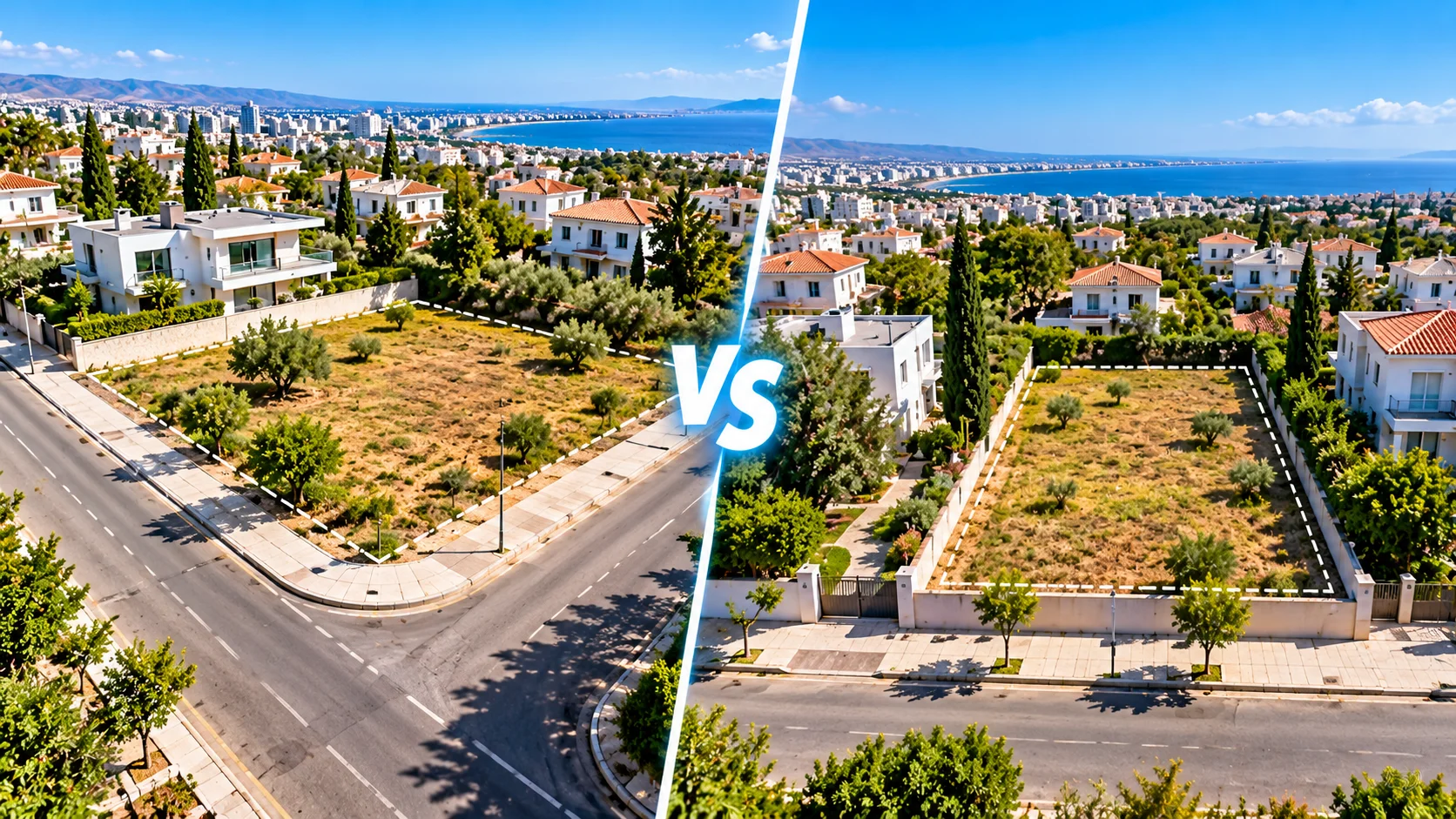
Ask ten buyers whether they’d prefer a corner plot and most will say yes without hesitating. It sounds better: more open, more prominent, more light. Ask ten architects and you’ll get a more careful answer. A corner plot can be the best site on the street, or it can be the one that causes the most headaches. It all depends on the plot itself and what you plan to build.What a corner plot offersThe main advantage is having two road frontages instead of one, and that opens up several possibilities.More light and air. With roads on two sides, the house can face out in more than one direction. Rooms get natural light from two aspects and cross-ventilation is easier, which makes a real difference in a Cyprus summer.Flexible access. You can choose which road to use for the main entrance and which for parking or a garage. On plots intended for two homes, each can have its own separate access.Visibility. A corner position stands out. For mixed-use buildings, shops or offices on the ground floor, that visibility has clear commercial value.Design freedom. Two street-facing sides give an architect more scope for an interesting building, rather than a single front with blank side walls.What a corner plot costs youThe same features that make corner plots attractive also bring trade-offs.Setbacks from two roads. Buildings usually need to sit back from the road. With two roads, those requirements may apply on two sides, which can shrink the area you can actually build on. At junctions, there may also be requirements to keep sightlines clear for traffic.Less privacy. More of the house and garden is visible from the street. Achieving a private outdoor space usually takes careful design, walls or planting.Noise and traffic. Corners often see more passing cars, especially if one of the roads is busy or becomes a shortcut. Headlights at night and traffic stopping at the junction can be a nuisance.More frontage to finish. Two street-facing sides mean more fencing, landscaping and boundary work.A higher price. Corner plots are often priced at a premium. The question is whether you’ll use the advantages enough to justify paying it.Double the road-widening risk. If either road is planned for widening, part of the plot could be affected. With two roads, check both.What a standard plot offersA plot with a single road frontage, between neighbouring plots, is usually simpler to deal with. The house can be designed around a private rear garden, away from the street. It tends to be quieter, and outdoor space is easier to keep private, which many families value highly.Standard plots are often more affordable too, and the setback rules are usually more straightforward.The trade-off is less flexibility. Light comes from fewer directions, access is through one frontage only, and the side walls facing neighbours limit where windows can go.So which is better?It depends on what you want from the plot.A corner plot usually makes more sense if:You plan a mixed-use or commercial building.You want two separate homes with independent access.Light and openness are your top priorities.A standard plot is usually the better choice if:You’re building a family home.Privacy, quiet and a usable garden matter most.You want a simpler design and a lower purchase price.Before you decideCompare plots on what they actually allow you to build, not just on their size or position. Ask an architect for a quick sketch showing the buildable area once setbacks are applied. Check the planning zone, building density and any road-widening plans for every road the plot touches. Then compare prices per buildable square metre.Visit at different times of day too. A corner that feels quiet on a Sunday morning can look very different at rush hour.Looking for a plot to build on? G&P Lazarou Estate Agents can help you compare options and check the key details before you commit. Call +357 22 024949, email info@gplazarou.com or visit gplazarou.com.Land for Sale in NicosiaLand for Sale in LimassolLand for Sale in LarnacaLand for Sale in FamagustaLand for Sale in Paphos
Read More
Two friends buy apartments in Cyprus in the same year. One buys a two-bedroom near the seafront in Limassol, the other a similar flat in a quiet Nicosia suburb. A few years later, one property has risen noticeably in value, while the other has barely moved. Neither of them was lucky or unlucky. They simply bought into markets with very different balances of supply and demand.Every property price is shaped by the same basic tension: how many people want to buy or rent, and how many suitable properties are available. Understanding that balance won’t predict the market perfectly. It will, however, help you make far better decisions as a buyer, seller or investor.What drives demandDemand for property in Cyprus comes from several directions at once:Local households. Young people moving out, couples starting families and people upgrading to larger homes form the core of the market.Jobs and relocation. International companies setting up in Limassol, Larnaca and Nicosia bring employees who need somewhere to live, often renting first and buying later.Students. Universities create steady rental demand in the areas around them.Foreign buyers. Holiday-home buyers, retirees and investors from abroad play a large role in some coastal areas.Investors. When rental returns look attractive, investors enter the market, adding further demand.The cost and availability of mortgages also matter. When borrowing becomes more expensive or banks tighten their criteria, fewer buyers can act, even if the desire to buy is still there.What limits supplyOn the supply side, new homes can’t simply appear when demand rises:Land and planning. Building is only possible where planning zones allow it, and the best-located land is limited.Time. From buying land to obtaining permits and completing construction, a project can take years. Supply always reacts to demand with a delay.Construction costs. Higher prices for materials and labour, and shortages of skilled workers, make some projects less viable and slow down new supply.Existing stock. Older properties, homes without title deeds and buildings that need renovation are part of the supply, but not all of them are attractive to today’s buyers.One market, many marketsThere is no single “Cyprus property market”. Supply and demand can look completely different depending on the city, the area and the type of property.A district with strong job growth and little available land behaves very differently from an area where many new apartment blocks are being completed at the same time. Luxury seafront apartments, family homes in the suburbs, student flats and building plots each have their own buyers and their own balance. A headline about “rising prices” or “a slowing market” may not apply to the property you are interested in at all.Signs worth watchingYou don’t need to be an economist to follow the market. A few indicators give a useful picture:Sales activity. The Department of Lands and Surveys publishes data on sales contracts deposited, which shows how active buyers are.Building permits. Figures from the Statistical Service show how much new construction is in the pipeline.Rents and time on market. How quickly properties let or sell, and whether asking prices are being reduced, often tells you more than any headline.What’s being built near you. A walk around an area and a look at active construction sites can be very revealing.What it means for youFor buyers: in areas where demand clearly exceeds supply, good properties move quickly and there is less room to negotiate. In areas with plenty of new stock, you may have more choice and more bargaining power.For sellers: pricing in line with real demand matters more than ever. In a market with many similar properties available, an overpriced home can sit unsold for months.For investors: look for areas with strong, varied demand and limited new supply. Be cautious where large amounts of similar new property are about to be completed at the same time.If you’d like a clearer picture of the market in a specific area, G&P Lazarou Estate Agents can share what we’re seeing on the ground. Call +357 22024949, email info@gplazarou.com or visit gplazarou.com.Discover available houses for sale in CyprusView residential plots for sale in CyprusExplore modern apartments for sale in CyprusBrowse commercial properties for sale in CyprusDiscover available houses for rent in CyprusExplore modern apartments for rent in CyprusView residential plots for rent in CyprusBrowse commercial properties for rent in Cyprus
Read More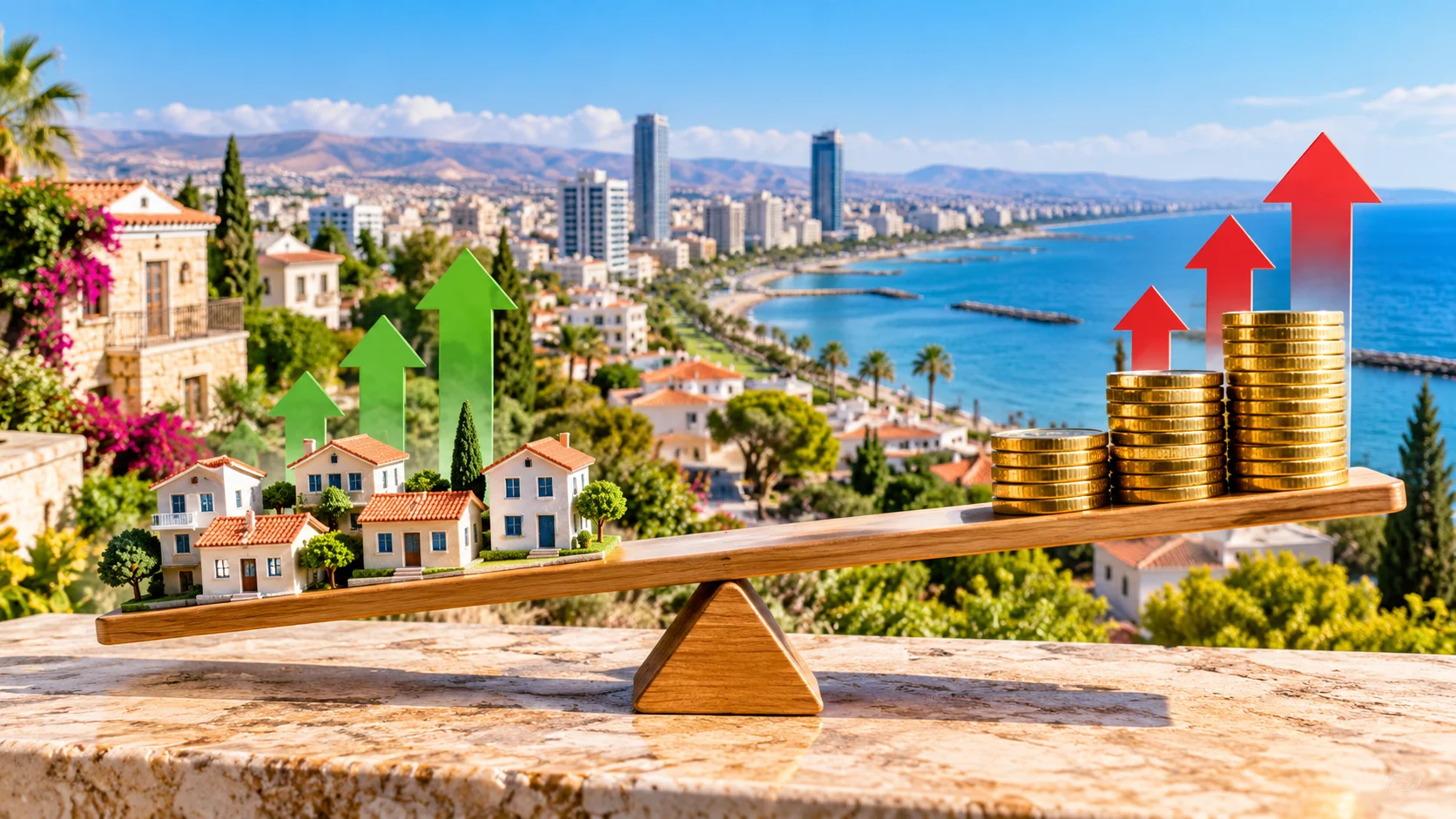
Two friends buy apartments in Cyprus in the same year. One buys a two-bedroom near the seafront in Limassol, the other a similar flat in a quiet Nicosia suburb. A few years later, one property has risen noticeably in value, while the other has barely moved. Neither of them was lucky or unlucky. They simply bought into markets with very different balances of supply and demand.Every property price is shaped by the same basic tension: how many people want to buy or rent, and how many suitable properties are available. Understanding that balance won’t predict the market perfectly. It will, however, help you make far better decisions as a buyer, seller or investor.What drives demandDemand for property in Cyprus comes from several directions at once:Local households. Young people moving out, couples starting families and people upgrading to larger homes form the core of the market.Jobs and relocation. International companies setting up in Limassol, Larnaca and Nicosia bring employees who need somewhere to live, often renting first and buying later.Students. Universities create steady rental demand in the areas around them.Foreign buyers. Holiday-home buyers, retirees and investors from abroad play a large role in some coastal areas.Investors. When rental returns look attractive, investors enter the market, adding further demand.The cost and availability of mortgages also matter. When borrowing becomes more expensive or banks tighten their criteria, fewer buyers can act, even if the desire to buy is still there.What limits supplyOn the supply side, new homes can’t simply appear when demand rises:Land and planning. Building is only possible where planning zones allow it, and the best-located land is limited.Time. From buying land to obtaining permits and completing construction, a project can take years. Supply always reacts to demand with a delay.Construction costs. Higher prices for materials and labour, and shortages of skilled workers, make some projects less viable and slow down new supply.Existing stock. Older properties, homes without title deeds and buildings that need renovation are part of the supply, but not all of them are attractive to today’s buyers.One market, many marketsThere is no single “Cyprus property market”. Supply and demand can look completely different depending on the city, the area and the type of property.A district with strong job growth and little available land behaves very differently from an area where many new apartment blocks are being completed at the same time. Luxury seafront apartments, family homes in the suburbs, student flats and building plots each have their own buyers and their own balance. A headline about “rising prices” or “a slowing market” may not apply to the property you are interested in at all.Signs worth watchingYou don’t need to be an economist to follow the market. A few indicators give a useful picture:Sales activity. The Department of Lands and Surveys publishes data on sales contracts deposited, which shows how active buyers are.Building permits. Figures from the Statistical Service show how much new construction is in the pipeline.Rents and time on market. How quickly properties let or sell, and whether asking prices are being reduced, often tells you more than any headline.What’s being built near you. A walk around an area and a look at active construction sites can be very revealing.What it means for youFor buyers: in areas where demand clearly exceeds supply, good properties move quickly and there is less room to negotiate. In areas with plenty of new stock, you may have more choice and more bargaining power.For sellers: pricing in line with real demand matters more than ever. In a market with many similar properties available, an overpriced home can sit unsold for months.For investors: look for areas with strong, varied demand and limited new supply. Be cautious where large amounts of similar new property are about to be completed at the same time.If you’d like a clearer picture of the market in a specific area, G&P Lazarou Estate Agents can share what we’re seeing on the ground. Call +357 22024949, email info@gplazarou.com or visit gplazarou.com.Discover available houses for sale in CyprusView residential plots for sale in CyprusExplore modern apartments for sale in CyprusBrowse commercial properties for sale in CyprusDiscover available houses for rent in CyprusExplore modern apartments for rent in CyprusView residential plots for rent in CyprusBrowse commercial properties for rent in Cyprus
Read More